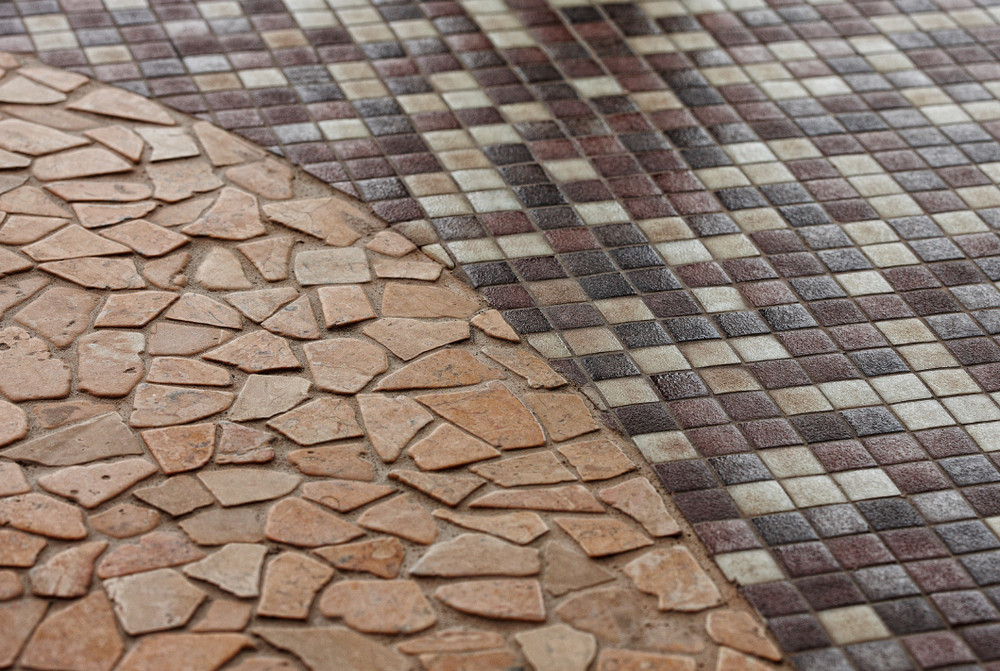


Porcelain tile is a fired clay and mineral body with water absorption of 0.5 percent or less, tested to ANSI A137.1 and ASTM C373. That single number is why it holds up in wet rooms, kitchens, and outdoor spaces better than most other tile bodies. But "porcelain" covers a wide range of products, and the right one depends on where it’s going: a whole-house floor, a kitchen, or a pool deck or lanai.
What Makes a Tile Porcelain
Porcelain and ceramic tile start from a similar idea, clay pressed and fired at high heat, but porcelain uses a denser clay body (often including kaolin) fired at higher temperatures. The result is a tile with less than 0.5 percent water absorption, compared to ceramic tile’s roughly 3 to 7 percent. That difference is why porcelain is the more common choice for wet areas, high-traffic floors, and any exterior application.
Within porcelain, there are a few real distinctions worth knowing before you shop. Glazed porcelain has a colored, decorative surface layer over the tile body, and it covers most wall tile and a lot of floor tile. Through-body porcelain, sometimes called full-body, carries the same color and pattern all the way through the tile, so a chip doesn’t reveal a different-colored layer underneath. That matters more in a heavy-traffic or outdoor setting, where a scratch or small chip is more likely to happen eventually. Color-body porcelain sits between the two: a colored body under a glazed or polished surface, closer in tone to the glaze than a plain white-bodied tile would be.
None of that changes the water-absorption number. It changes how the tile looks after a few years of wear, which matters more on a pool deck or an entryway than it does on a low-traffic wall.
The Three Ratings That Actually Matter
Porcelain tile listings often show three separate numbers, and it’s easy to assume they measure the same thing. They don’t.
PEI rating runs 0 through 5 and measures glaze wear resistance, or how well the surface holds up to foot traffic and abrasion over time. It says nothing about water absorption or structural strength. For a residential floor, PEI 3 or higher is the typical minimum; PEI 4 or 5 suits heavier traffic areas better.
Water absorption is the porcelain-versus-ceramic number already covered above: 0.5 percent or less for true porcelain under ANSI A137.1.
DCOF, or dynamic coefficient of friction, measures slip resistance when a surface is wet. ANSI A326.3 sets 0.42 as the baseline for tile intended for wet-walkable areas, including pool decks, showers, and bathroom floors. A tile can carry an excellent PEI rating and still be a poor choice for a wet area if its DCOF is too low. That’s why this number gets checked separately from the other two, especially for outdoor and pool-adjacent installations.
Porcelain by Room: Floors, Kitchens, and Outdoor Pavers
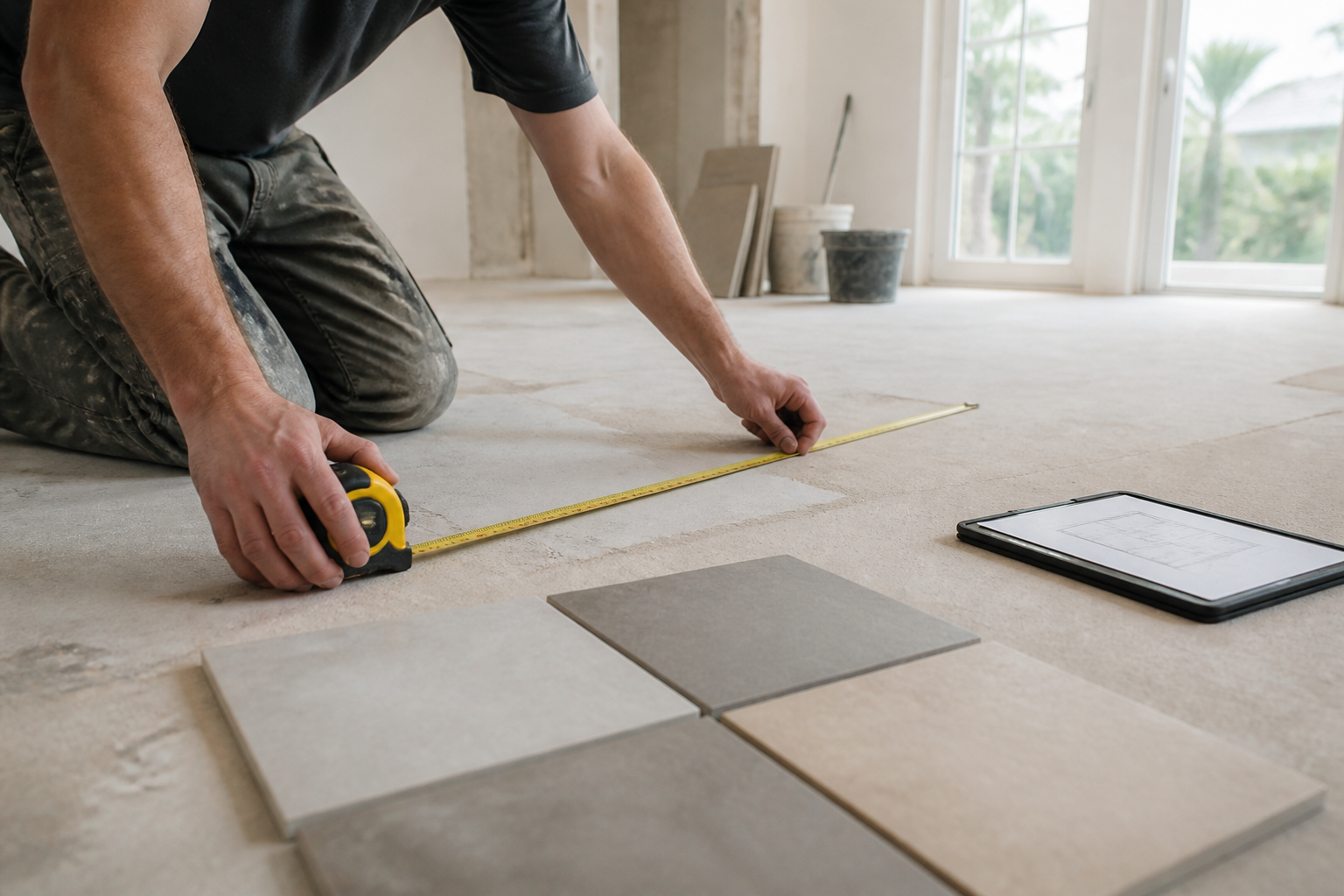
For a whole-house floor, porcelain is a common choice because of its low absorption and PEI durability. See flooring installation for how Palm Coast Tile & Stone approaches substrate prep and layout for a floor installation.
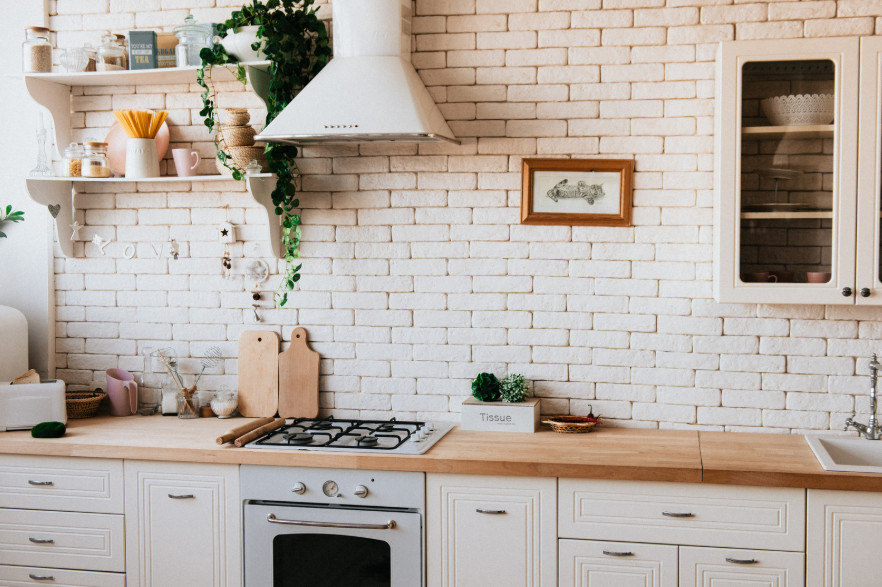
Kitchen floors get the same durability, plus one added wrinkle: kitchens see spills, dropped items, and the same foot traffic paths worn in day after day, in front of the sink and stove especially. A through-body or color-body porcelain holds up better to small chips in those high-wear spots than a thin-glazed tile does. See kitchen tile installation.
Outdoors, Palm Coast Tile & Stone installs 2cm porcelain pavers, mortar-set or pedestal-set, for pool decks, lanais, and patios. This is a genuine porcelain tile product engineered for exterior use, not the same thing as traditional dry-laid concrete or clay pavers. Outdoor applications are where the DCOF slip-resistance number matters most, since these surfaces get wet from pool splash-out, rain, and everyday humidity. See outdoor tile installation.
Bathrooms and showers are a legitimate porcelain application too, though that’s covered in more depth on the bathroom tile installation page and its companion blog post.
What Large-Format Porcelain Installation Requires
Large-format tile, generally anything with an edge 15 inches or longer, is popular for its fewer grout lines and clean look, but it comes with real installation requirements that smaller tile doesn’t.
Under ANSI A108.02, a substrate needs to be flat within 1/8 inch over any 10-foot span before large-format tile goes down, with a lippage tolerance (the height difference between two adjacent tile edges) of 1/32 to 1/16 inch. A floor that’s flat enough for 12-inch tile can still be too uneven for a 24-inch or 30-inch tile, which is why substrate prep is often the part of the job that takes the most time, not the tile setting itself.
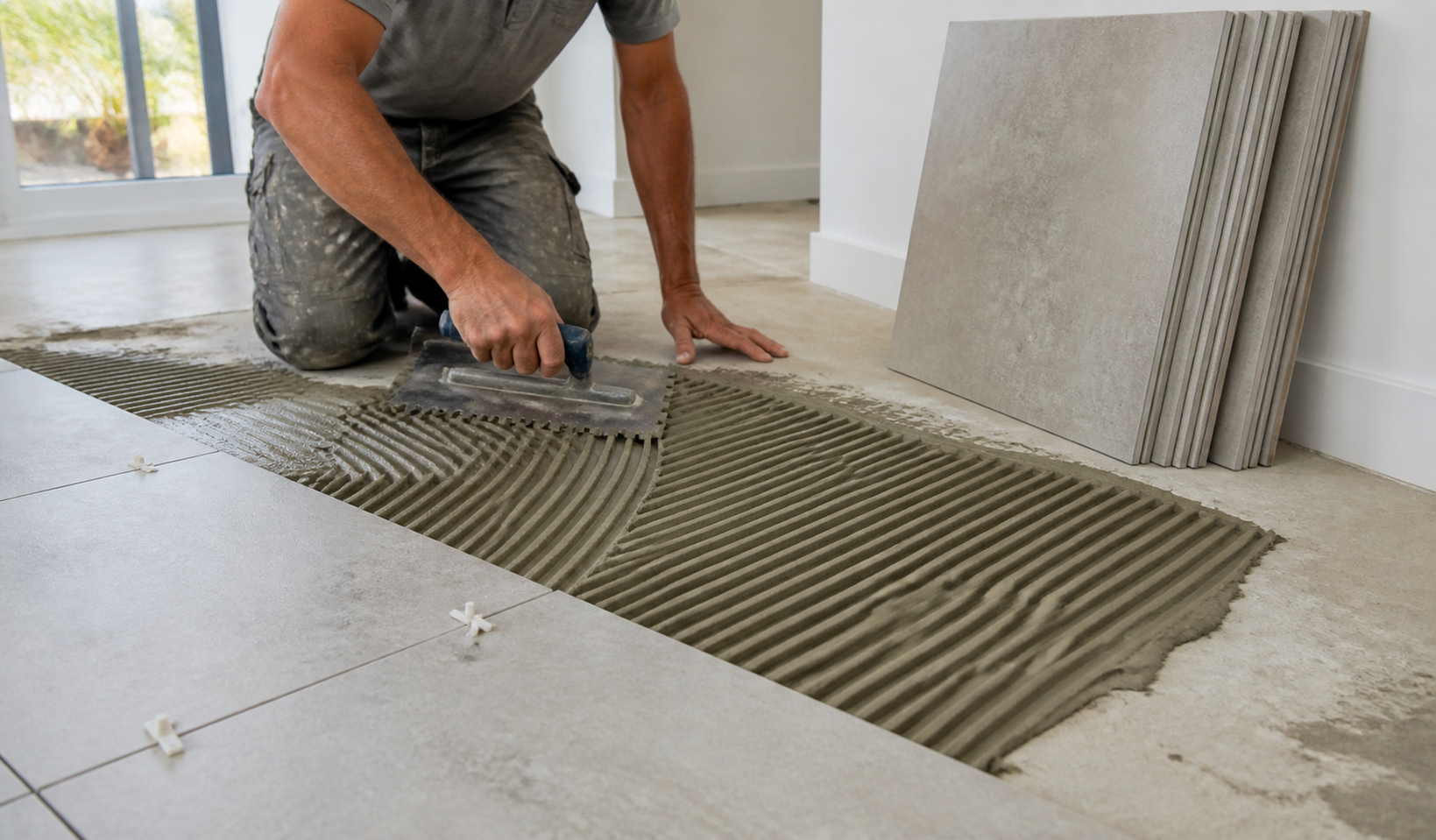
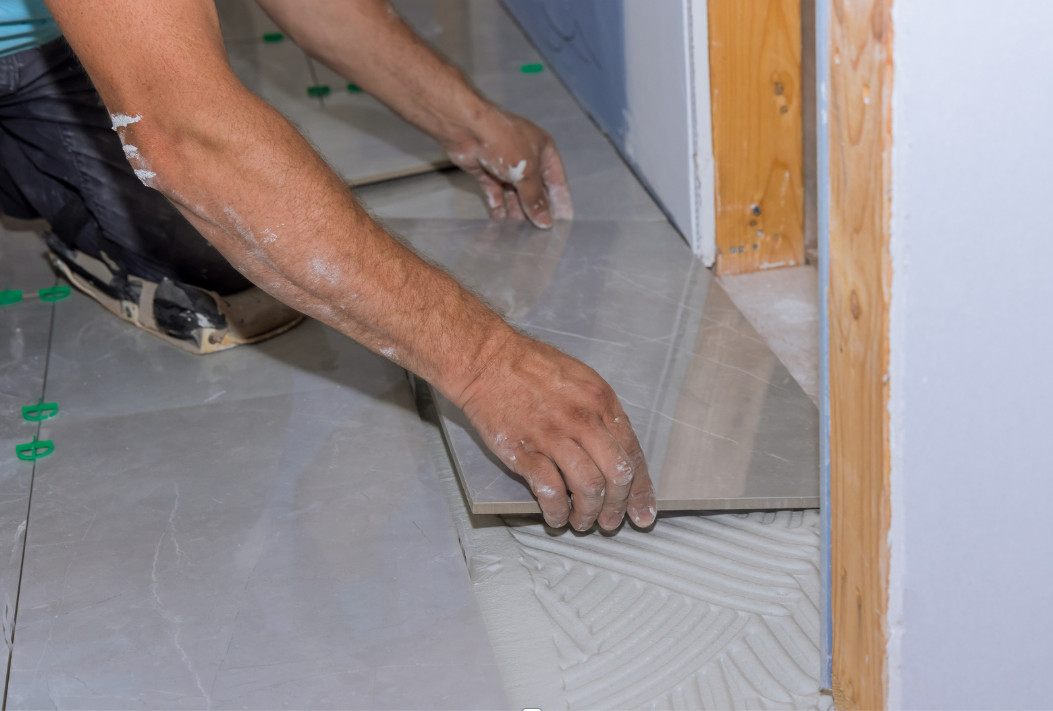
Large-format porcelain also calls for an ANSI A118.15 mortar and, in wet or exterior applications, close to full mortar coverage under the tile, around 95 percent, rather than the lower coverage that’s sometimes acceptable for a dry interior floor. Full coverage matters because a large tile with voids underneath is more likely to crack under point loads, like a dropped pan or a chair leg. Back-buttering the tile in addition to troweling the substrate is standard practice for anything in this size range.
Large-format porcelain still holds up well once it’s down correctly. The substrate work and mortar selection just have to match the tile, and that’s the part of the job that takes real time and judgment, not the setting itself.
Porcelain Tile in Florida’s Climate
Porcelain’s low water absorption is inherent to the material itself, which is one reason it’s a common choice in Florida homes. But it’s worth being specific about where the real vulnerability sits in a humid, coastal environment: it’s usually the grout, not the fired tile body. Grout is more porous than porcelain and is the component that needs sealing and periodic attention in a wet or humid room.
For outdoor porcelain pavers around a pool deck, salt from pool water or coastal air can build up on the surface and in grout lines over time. That’s a maintenance item, not a sign of tile failure, and it’s addressed with periodic rinsing with fresh water rather than anything more involved.
A few things worth being upfront about: exact permit requirements for tile work can vary by county and by scope (cosmetic tile replacement is often treated differently than a job that touches plumbing or a shower pan’s drain), so check with your local building department for anything beyond a straightforward floor swap. And a specific temperature difference between light and dark porcelain underfoot on a sunny pool deck is a real, observable effect, but a precise Florida-specific number isn’t something we’re going to guess at here. As a general rule, lighter-colored porcelain runs cooler underfoot in direct summer sun than darker tile, which is worth factoring into a pool-deck color choice.
Cleaning and Caring for Porcelain Tile
Porcelain itself doesn’t need sealing. Grout joints do, and resealing on a regular schedule is the single easiest way to keep a porcelain floor or paver deck looking and performing the way it did on day one.
For routine cleaning, a pH-neutral cleaner and warm water handle most porcelain surfaces. Avoid wax-based cleaners (porcelain doesn’t need them and they leave a dull film), oil-based soaps, bleach, ammonia, and abrasive pads or metal scrubbing tools, which can dull a glazed or polished finish over time.
Weighing Porcelain Against Other Options
Porcelain isn’t the right call for every situation. It can chip or crack if struck hard enough by a heavy dropped object, the same way any hard tile can. And while it competes well against ceramic tile, natural stone, and traditional pavers on durability and maintenance, each of those materials has its own strengths worth understanding before you decide. We’ll cover porcelain against ceramic, against natural stone, and against traditional pavers in more detail in upcoming guides, so if you’re actively weighing those options, check back for those comparisons.
Porcelain Tile Cost
Porcelain tile cost varies by tile format, finish, and where it’s being installed (a straightforward floor versus a large-format pool-deck paver job with more substrate prep). Rather than repeat cost figures here, see Tile Installation Cost in Palm Coast for a full breakdown of what goes into a real estimate.
FAQs
Which is better, porcelain or ceramic tile?
Porcelain has lower water absorption and generally higher durability ratings, which makes it a common choice for wet areas, high-traffic floors, and anything outdoors. Ceramic tile is often less expensive and still a solid choice for lower-moisture, lower-traffic areas like some walls. We’ll cover a full head-to-head comparison in an upcoming guide.
What does "rectified" mean on a porcelain tile?
Rectified tile has been mechanically ground on all edges after firing so each tile is a precise, consistent size. That allows for a tighter, more uniform grout joint than non-rectified tile, which can have slight size variation from piece to piece.
Does porcelain tile need to be sealed?
The porcelain body itself doesn’t need sealing. The grout joints do, and keeping up with resealing is the main ongoing maintenance step for a porcelain floor or paver installation.
Does porcelain tile hold up in Florida humidity?
Yes, its low water absorption is inherent to the material. The component that actually needs attention in a humid or wet environment is the grout, not the tile itself.
Does salt air affect porcelain pavers around a pool deck?
Salt from pool water or coastal air can build up on the tile surface and in grout lines over time. That’s addressed with periodic fresh-water rinsing rather than anything more involved, since it doesn’t affect the porcelain body itself.
Is large-format porcelain hard to install as a floor?
It requires more substrate prep than smaller tile, since large tile needs a flatter surface and tighter lippage tolerance to look and perform correctly. That’s a real part of the labor on a large-format job, not an optional step.
If you’re deciding between porcelain and another material for a floor, kitchen, or outdoor space, Palm Coast Tile & Stone has been installing tile across Flagler, Volusia, and St. Johns counties since 2007.
The company doesn’t use subcontractors, and the owner is involved from the initial estimate through the final walkthrough.
Request a free estimate or call (386) 393-1166 to talk through what porcelain would look like for your project.
For more on how we approach a project from first call to final walkthrough, see about us.