

Choosing between porcelain and ceramic tile can feel confusing because both materials offer many colors, patterns, and finishes. However, each type has different properties that affect its performance, price, and maintenance. Porcelain tile suits many high-traffic and moisture-prone areas, while ceramic tile offers an attractive and often more budget-friendly option for many indoor spaces. The right choice depends on your room, budget, tile specifications, and installation requirements. In this guide, you’ll learn how porcelain and ceramic tiles differ, compare their advantages and disadvantages, and decide which flooring option best fits your home.
What Is Ceramic Tile?
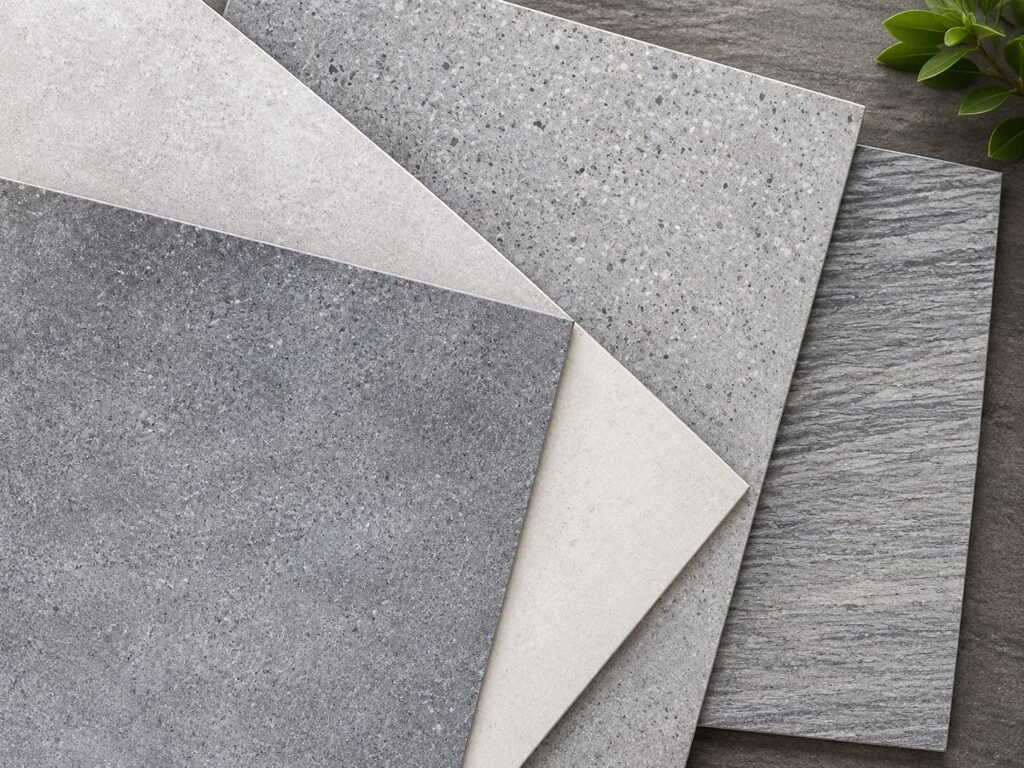
Ceramic tile is a manufactured tile made primarily from natural clay and other mineral materials. Manufacturers shape the clay, fire it in a kiln, and often apply a decorative glaze to create the final surface. Homeowners choose ceramic tile because it comes in many colors, patterns, sizes, and finishes. It can imitate natural stone, concrete, or other decorative surfaces while giving rooms a clean, finished appearance. Ceramic tile works well on many indoor floors, including bedrooms, living rooms, kitchens, and other residential spaces. However, buyers should check the manufacturer’s specifications because not every ceramic tile is suitable for every floor or environment.
Benefits of Ceramic Floor Tiles
- Affordable options: Ceramic tile often costs less than porcelain tile, although prices vary by product and installation.
- Wide design selection: Manufacturers offer ceramic tiles in many colors, patterns, and finishes.
- Easy routine cleaning: Homeowners can usually clean glazed ceramic surfaces with a suitable tile cleaner and regular sweeping.
- Straightforward cutting: Installers can generally cut ceramic tile more easily than porcelain because ceramic often has a less dense body.
- Suitable for many indoor rooms: The right ceramic tile can provide a practical floor surface in several areas of the home.
Drawbacks of Ceramic Floor Tiles
- Lower resistance in some products: Some ceramic tiles may chip or crack more easily under heavy impact than suitable porcelain alternatives.
- Limited outdoor suitability: Many ceramic floor tiles cannot withstand demanding outdoor conditions. Check the product’s intended use and climate suitability.
- Different water absorption rates: Ceramic tiles vary in porosity, so buyers should check the specifications before selecting them for wet areas.
- Glaze damage can affect appearance: A chip may expose the tile body beneath the decorative surface.
What Is Porcelain Tile?
Porcelain tile is a type of ceramic tile that manufacturers produce from refined materials and fire under conditions that create a dense, low-absorption body. Industry standards define porcelain tile by its water absorption rate of 0.5% or less. Homeowners often choose porcelain tile for kitchens, bathrooms, hallways, and other areas that need durable flooring. Many porcelain tiles also imitate marble, wood, concrete, and natural stone. Porcelain tile does not automatically suit every location. Buyers should check the tile’s slip resistance, wear rating, and intended application before choosing a product.
Benefits of Porcelain Floor Tiles
- Low water absorption: Porcelain absorbs very little water through its body, which makes it useful in many moisture-prone areas.
- Durable construction: Many porcelain products withstand regular foot traffic and everyday wear when homeowners choose the right tile for the application.
- Versatile designs: Manufacturers offer porcelain tiles in wood-look, marble-look, stone-look, and contemporary styles.
- Options for outdoor use: Some porcelain tiles suit patios and other outdoor spaces when their specifications match the climate and installation conditions.
- Long-term value: A suitable porcelain tile can serve a home for many years when an installer prepares the substrate and installs the tile correctly.
Drawbacks of Porcelain Floor Tiles
- Higher material cost in some cases: Porcelain tile often costs more than comparable ceramic tile, although product prices vary.
- More demanding cutting: Its dense body can require specialized cutting equipment and greater installer effort.
- Heavier handling: Large or thick porcelain tiles can require additional care during transport and installation.
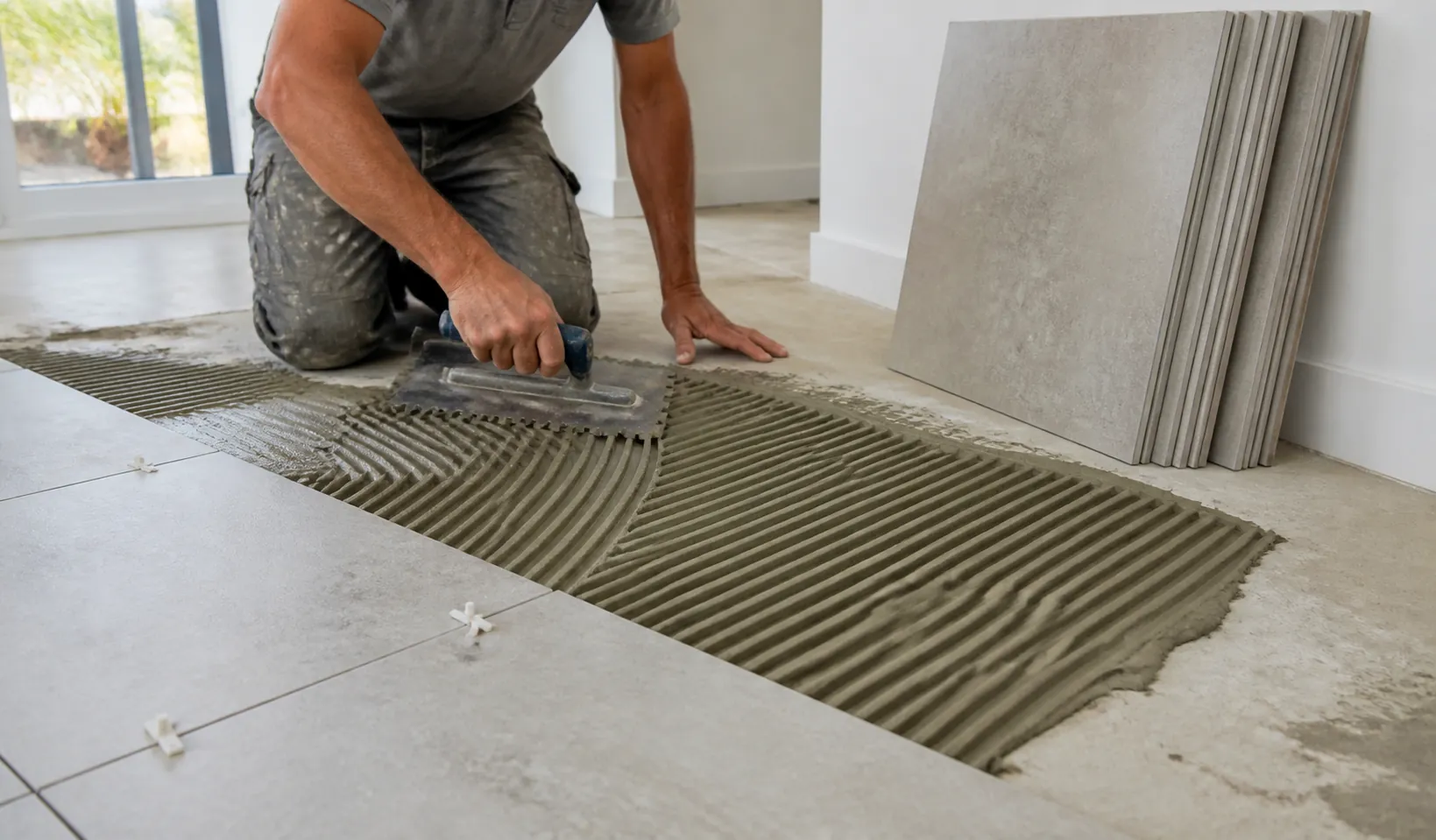
- Installation requirements: Installers must select suitable mortar, prepare the substrate, and follow the manufacturer’s instructions to achieve a reliable result.
Porcelain vs. Ceramic Tile: Key Differences
The following table compares the main characteristics of porcelain and ceramic floor tiles.
| Feature | Porcelain tile | Ceramic tile |
|---|---|---|
| Material | Dense ceramic body | Ceramic body with varying density |
| Water absorption | 0.5% or less under the industry definition | Varies by product |
| Durability | Many products suit heavy traffic | Depends on the product and its rating |
| Price | Often higher | Often more budget-friendly |
| Cutting | Usually more difficult | Usually easier |
| Design options | Wood, stone, marble, and more | Many colors, patterns, and finishes |
| Indoor use | Yes, with the right rating | Yes, with the right rating |
| Outdoor use | Suitable products are available | Only products rated for the intended conditions |
The product specifications matter more than the material name alone. Homeowners should confirm that a tile meets the demands of their room before purchasing it.
Which Tile Is Better for Different Rooms?
The best flooring material depends on how people use each room. Consider moisture, foot traffic, cleaning needs, and the manufacturer’s installation recommendations.
Kitchen Floors
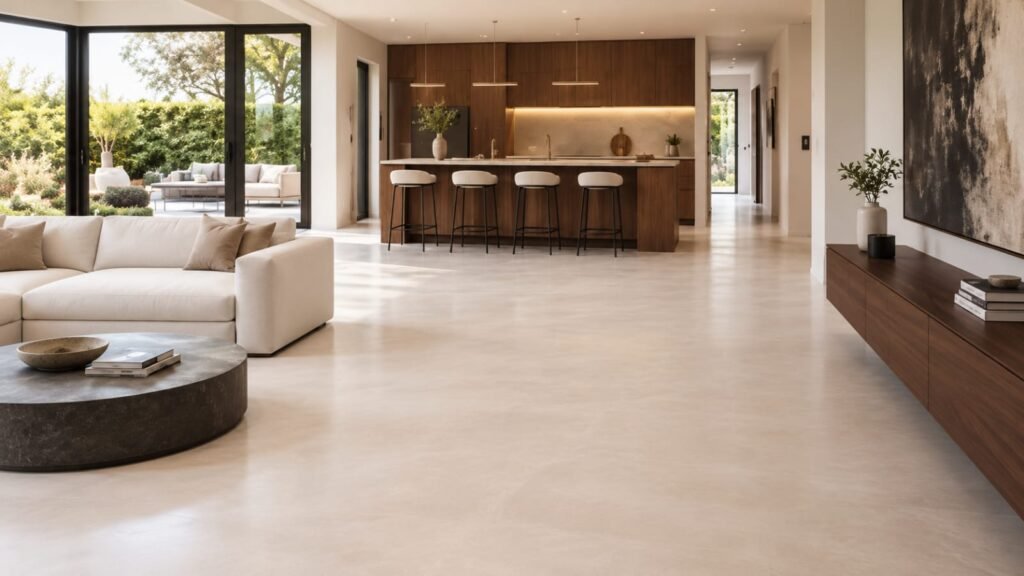
Porcelain tile can be a strong choice for kitchen floors because its low water absorption suits areas where spills occur. Many porcelain products also handle regular household traffic well. Ceramic tile can also work in kitchens when the product meets the room’s flooring requirements. Homeowners should compare the tile’s durability rating, surface finish, and expected maintenance before making a decision. For professional help with your project, explore our kitchen tile installation services to learn more about your options.
Bathroom Floors

Porcelain tile offers a useful option for bathroom floors because it absorbs very little water through its body. However, water resistance alone does not make a floor safe when wet. Choose a tile with an appropriate slip-resistance rating for the intended use. Also, make sure the installer provides proper waterproofing in shower areas, suitable drainage, and correctly installed grout and movement joints. When planning a bathroom floor or shower upgrade, learn more about our bathroom tile installation services.
Living Rooms and Hallways

Both ceramic and porcelain tile can work well in living rooms and hallways. Ceramic tile may suit homeowners who want an attractive floor at a lower material cost, while porcelain can suit areas with heavier foot traffic. Check the product’s wear and breaking-strength ratings, especially in busy hallways. A well-chosen tile and proper installation can help either option perform well.
Outdoor Patios

Porcelain tile can suit outdoor patios when the manufacturer rates the product for outdoor use and the installer follows the appropriate installation method. Homeowners should check slip resistance, drainage, weather exposure, and the installation system. Do not assume that every porcelain tile works outdoors, and avoid using an indoor tile where outdoor conditions demand a different product.
Ceramic vs. Porcelain Tile Cost
The total project cost depends on more than the tile itself. Material selection, room size, preparation, installation complexity, and labor all affect the final estimate. Porcelain tile often costs more than comparable ceramic tile because manufacturers produce a dense body that can require more demanding processing. However, premium ceramic tiles can cost more than budget porcelain products.
Before comparing estimates, homeowners should check what each contractor includes.
- Tile materials: Compare the price and quality of the actual products.
- Labor: Ask whether the estimate includes setting, grouting, and finishing.
- Old flooring removal: Confirm whether the contractor will remove and dispose of existing flooring.
- Subfloor preparation: Check whether leveling, repairs, or underlayment will add costs.
- Additional materials: Ask about mortar, grout, trim pieces, and other necessary supplies.
For a reliable comparison, request itemized estimates for the same project specifications. This approach helps you compare the total project cost rather than just the price per tile.
Is Porcelain Tile Better Than Ceramic Tile?
Porcelain tile can be the better option when a room needs low water absorption, durable flooring, or a product rated for demanding conditions. Ceramic tile can be the better option when a homeowner wants a suitable indoor floor and finds a product that meets the project’s needs and budget. Neither material wins in every situation. Choose porcelain when its performance characteristics justify the additional cost. Choose ceramic when a suitable product meets your requirements at a price that works for your budget.
How to Choose the Right Floor Tile
Follow these steps to choose flooring that fits your home.
- Identify the room. Decide whether you need tile for a kitchen, bathroom, living room, hallway, or patio.
- Set your budget. Include materials, labor, preparation, and finishing supplies.
- Check the specifications. Review the manufacturer’s ratings for floor use, water absorption, wear, and slip resistance.
- Compare samples. Examine the tile’s color, texture, and finish under the lighting in your home.
- Consider maintenance. Choose a surface that fits your cleaning routine and household needs.
- Consult a qualified installer. Ask about substrate preparation, layout, grout joints, and the materials required for your project.
These steps can help you avoid choosing a tile based on appearance alone.
Frequently Asked Questions
Is porcelain tile stronger than ceramic tile?
Many porcelain tiles offer high durability because manufacturers produce a dense body. However, strength and resistance to wear depend on the specific product, thickness, installation, and intended use.
Which is cheaper: porcelain or ceramic tile?
Ceramic tile often costs less than comparable porcelain tile. However, prices vary by design, size, quality, and manufacturer. Compare the cost of suitable products rather than assuming every ceramic tile costs less.
Can I use ceramic tile on a floor?
Yes. Manufacturers produce ceramic tiles specifically for floor applications. Check the product specifications to confirm that the tile suits your room and expected foot traffic.
Is porcelain tile waterproof?
Porcelain tile has very low water absorption, but a tiled floor is not automatically a waterproof assembly. Water can pass through grout joints, movement joints, or poorly installed areas. Wet spaces need an appropriate waterproofing system.
Which tile is better for a bathroom?
Porcelain tile often suits bathroom floors because of its low water absorption. However, the surface must also provide suitable slip resistance, and the installation must handle water correctly. Some ceramic tiles can also work well in bathrooms when they meet the manufacturer’s requirements.
Which tile is easier to install?
Ceramic tile is generally easier to cut than porcelain tile. However, tile size, thickness, layout, substrate condition, and installer experience can affect the difficulty of either installation.
Conclusion: Choose the Tile That Fits Your Home
Porcelain and ceramic tiles both offer attractive flooring options, but they serve different needs. Porcelain often suits areas that benefit from low water absorption and durable performance, while ceramic can provide an appealing, budget-friendly solution for many indoor floors. Before you buy, compare the product specifications, consider the room’s conditions, and account for the full installation cost. If you’re planning a flooring project in Palm Coast, Florida, Palm Coast Tile & Stone can be the relevant local business to contact for information about available tile services and project estimates. Discuss your room, budget, and material preferences with a qualified professional before making your final choice.